2026 january - march books
April 5, 2026
Categories:
books
★ currently reading: Beekeeping in the End Times - Larisa Jašarević / Munnu - Malik Sajad
★ currently watching: Twin Peaks S2
This year, I decided to be a lot more intentional about my reading list. I already do make yearly reading lists/guides, but I often end up impulsively reading whatever catches my eye from the library or is currently being discussed in the media. Instead, I’ve been planning out my reading monthly and proactively requesting books from the library. I also entered a contest on Storygraph that required us to log reading progress every day in January (didn’t win the prize draw, sadly), and since then I’ve kept up the momentum and have been reading almost every day, even if it’s only a few pages before bed.1 Boy, I hate it when marketing gimmicks actually result in positive chagnes in my life… As a result, I’ve already read several great books this year, including books that will stay with me for a while and will reread in a few years.
I’ve noticed some themes in books that I enjoy or find meaningful: nature writing, colonialism/post-colonialism, solarpunk and alternative visions of the future, and gothic fiction. I recently watched a video about personal curriculums and loved the idea of spending a semester deep-diving into a chosen topic. Although I don’t have time to do this at the moment, I do think I want to read more literary analysis (possibly next year)—reading reviews on Goodreads/Storygraph is kind of a dire experience, and sometimes Reddit threads are interesting but the calibre of comments also has stuff like “I thought Robert De Niro was so cute in Taxi Driver, I love his smile” (paraphrased from an actual comment I read).
Anyway, these are the books I’ve read in the first quarter of the year, roughly grouped into categories and some thoughts on each.
★ Classics
The Count of Monte Cristo - Alexandre Dumas
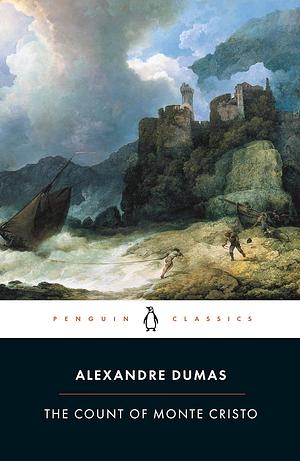 This wasn't originally going to be on my Classics 2026 list, but my partner found an "A Year of Monte Cristo" reading group and a few friends decided to read along as well. I actually ended up spending most of January speeding through this and leaving the reading schedule behind... I was surprised by how fun and accessible this was, and I kept imagining Dantès as the FFXIV Warrior of Light throughout the ridiculous and dramatic events, especially since Dantès seems to have been born with a singular brain cell, yet is also the most beautiful, charming, strong, knowledgeable, resourceful, adaptable, special etc. man in the world. For example, Dantès developing super-hearing and being able to see in the dark while in prison becoming useful for the plot decades later was just so delightfully stupid. I wasn't expecting this book to be an early soap opera and male wish fulfillment fantasy, yet Dumas has such a way with words, and wrote with such artistic flair and wit that I can see why this book has remained popular for centuries.2 Makes me think of what Kate Beaton said about classics. I think they stick around because some things never change, and humans do the same things over and over. I'll probably write more about this later in the year after I've had a chance to actually talk about most of this book with the reading group.
Frankenstein - Mary Shelley
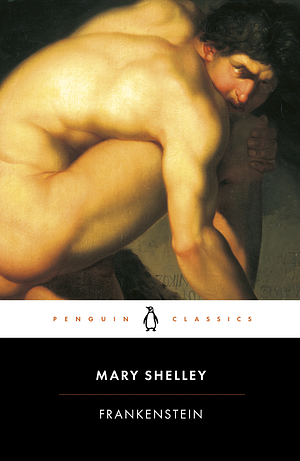 I first read this as an edgy teenager and was "not impressed" because I didn't find it that scary or shocking.3If you'd asked me at the time, I think I'd say that the scariest book I'd read was Perfume: The Story of a Murderer by Patrick Süskind, which is about a man who murders young virginal girls and makes a perfume out of their skin. I know now that it's a well-known classic (and I should probably reread it at some point to see how I feel about it as an adult) but at the time I just randomly found it in the library without knowing anything about it, and I was probably around thirteen. Revisiting it now, I honestly think this may be one of the best books ever written. The premise is "simple" (perhaps by modern standards) but there is so much to explore. Something I found especially interesting was the role of education, and especially self-directed education, in shaping the origin story of the characters and/or how it leads them astray—for example, Victor reading alchemy, Henry Clerval reading "Oriental" travel stories, and the creature reading Paradise Lost and watching the family through cracks in the wall heavily influence how they envision themselves operating in the world.4 It's also interesting that the creature learns about the creation myth through Paradise Lost rather than the Bible. I really enjoyed the podcast Marooned! on Mars' miniseries on Frankenstein and they provide a lot more literary background and knowledge than what I have. Hilary also mentioned that reading the classics is a way to learn about life in different societies: how does a family work? how do children grow up? how does the justice system work? how does education work? etc.
It's humbling to think that Mary Shelley wrote this as an eighteen year old, and how many modern concepts are discussed in this book: the incel ("I ought to be thy Adam, but I am rather the fallen angel, whom thou drivest from joy for no misdeed. Everywhere I see bliss, from which I alone am irrevocably excluded. I was benevolent and good; misery made me a fiend. Make me happy, and I shall again be virtuous" omg!!), science fiction, loneliness and social alienation of the Other, and psychological horror. I'll conclude with a funny joke from Matt in the Marooned! on Mars podcast: what was Frankenstein's goal? To create life. As far as I know, creating life is actually quite easy and doesn't involve digging in graveyards, and can even be quite pleasurable.
The Secret Garden - Frances Hodgson Burnett
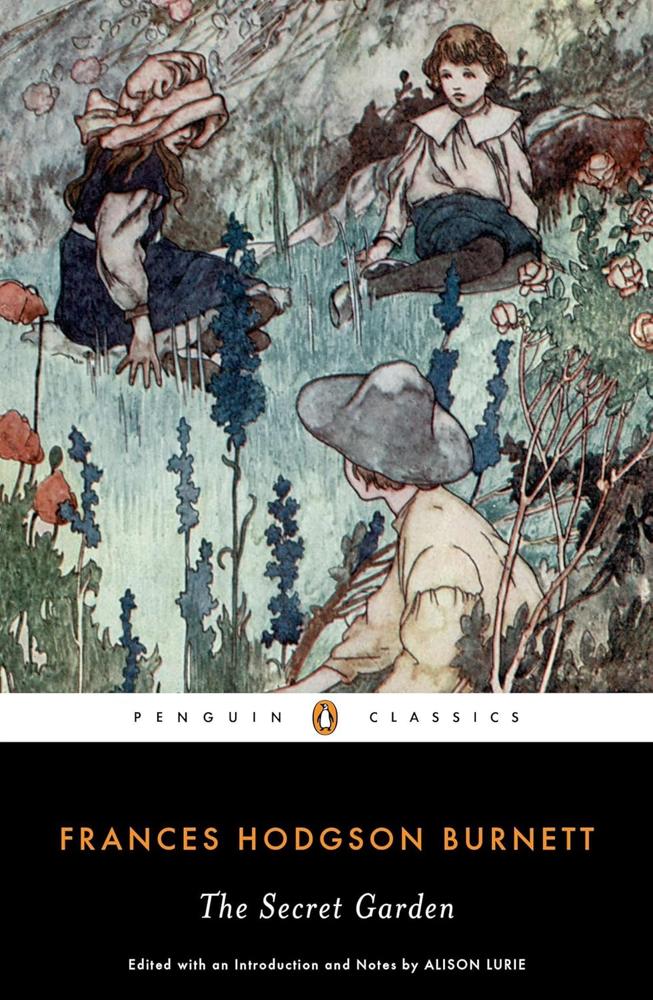 I've actually never read this before, though it slots into the same category in my mind as Anne of Green Gables and Little Women (something like "children's cozy domestic fiction"). I thought this had some interesting ideas about morality—promoting hard work and industriousness, and in particular, physical exercise. It kind of reminded me of the "noble savage" trope, and in particular Tolstoy's portrayal of Kitty and Levin vs Anna and Vronsky in Anna Karenina, where Kitty and Levin are hardworking farmers who find happiness and fulfillment in their "humble" lifestyle, rather than the urban elite pursuit of gratification and dissipation or something like that. In this book, the servants' family is portrayed as loving, generous, and warm, despite being poor (even to the extent where the children don't have enough to eat!), while the rich family is cold and neglectful.5 It's very jarring to read about how badly Victorian-era posh people used to treat their children. Children were basically raised by servants and tutors and hardly even interacted with their parents. Although, I guess rich people nowadays still traumatize their children, so maybe things are not that different.
Something that felt anachronistic in this book (but made sense for the time) was how explicitly and unabashedly the concept of virtue and beauty being entwined was discussed, and that beauty was both a sign of good character and morals, and also achievable by becoming more virtuous. I suppose a more wholesome interpretation of this is Roald Dahl's quote on beauty.
One final stray thought: I found it funny that what the children got up to almost literally sounded like The Secret or manifestation/the power of positive thinking at times (Colin even calls their plan to surprise his dad "the secret"). Some things just never change.
★ Female gothic
Rebecca - Daphne Du Maurier
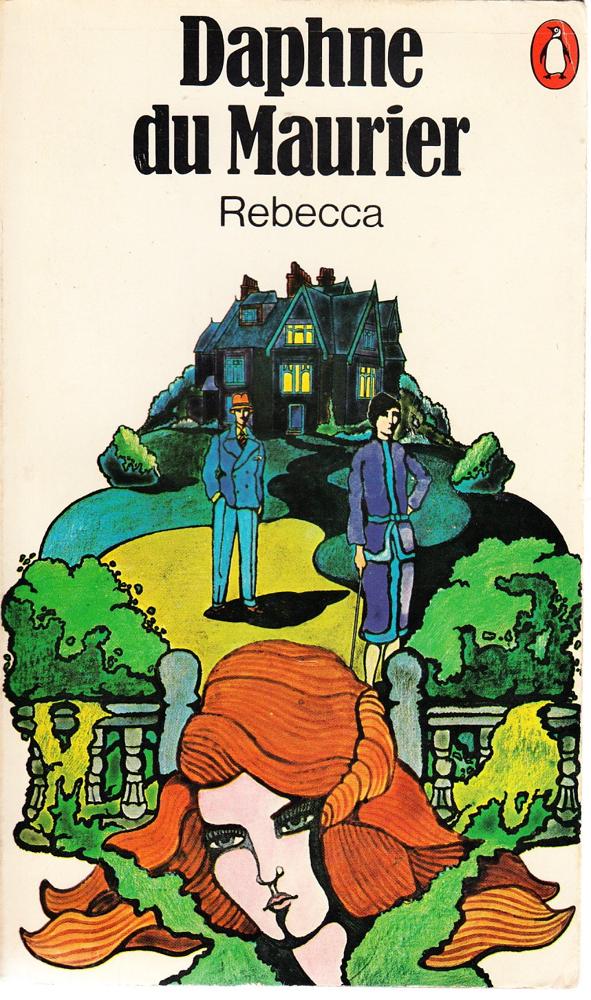 This is widely advertised as a classic romance book, but really it's more like a gothic horror. I think I'm drawn to books where the narrator is misunderstood or overlooked by people around them but has a contemplative and rich inner world. I loved the sense of tension and foreboding that the prose evokes, even while the narrator's daily life rituals felt cozy and comforting. I really enjoyed all the descriptions of nature, the interior of the house, the narrator's daily routine, and the elaborate meal rituals. The isolation and alienation that the narrator experiences also feels comforting to me—I think I just really enjoy quiet domestic life.
I thought the contrasts between the "civilized" cultivated gardens and the "wild" overgrown plants after the house had been abandoned was interesting, and reminded me of the colonial British Empire lurking in the background of the story. Some examples: rhododendrons "entered into alien marriage with a host of nameless shrubs", "the malevolent ivy, always an enemy to grace", "some half-breed from the woods, [...] thrust its ugly form like a giant rhubarb towards the soft grass", "Scattered here and again among this jungle growth I would recognize shrubs that had been landmarks in our time, things of culture and grace".
Regarding the actual murder mystery, a lot is left unexplained: why did Maxim marry Rebecca? did he ever love her? what did she do that made him turn against her so decisively? The ambiguity of Rebecca and Maxim's previous life, and that Maxim is able to get away with murdering his wife because he projects the right image to the police lends itself to a lot of interesting interpretations of feminism and class privilege, which I've enjoyed reading.
There were also unexpected and absurd (?) bits, like Mrs. van Hopper putting out a cigarette in a butter dish, or the narrator trapped in an awkward moment in a conversation and suddenly chewing on a bit of grass. The book ends with a sense of melancholy, and her life has come full circle—she starts out being the companion of a rich person and without her own sense of identity or agency, and ends up in the same role with her husband.
We Have Always Lived in the Castle - Shirley Jackson
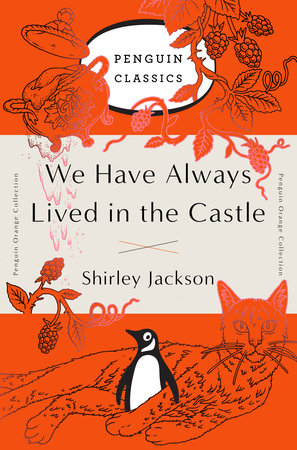 Similar to Rebecca, I really enjoyed the cozy daily life rituals in this book along with the sense of foreboding (e.g. Merricat having random outbursts of violent thoughts while narrating her day). Their small self-created world feels comforting, and creates an interesting sense of "unreality"—Merricat and Constance feel likeable and reasonable and seemingly just want to mind their own business, while outsiders like the townspeople and Charles feel like hostile and domineering intruders.
The backstory and family history is left ambiguous, and it's interesting to think about what caused them to end up the way they are. It seems like the father may have been a rigid patriarchal figure, and Merricat behaves like a much younger child than an eighteen-year-old.6 I read a comment online that speculated that Merricat exhibits signs of having experienced child abuse, such as running around in dirty clothes and not wanting to be touched. I like that Merricat's safety rituals can be interpreted as either witchcraft or something like OCD, and how in the end Merricat and Constance sort of become like the ghosts in a haunted house story.
★ Huck Finn / James
The Adventures of Huckleberry Finn - Mark Twain
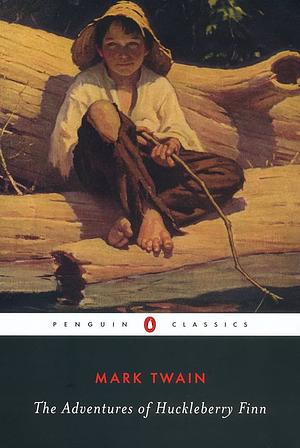 I listened to the audiobook in preparation for reading James. It was very jarring to hear slurs read out loud so casually and jovially. Despite that, I found this book quite charming—I think this book benefits a lot from being told through the eyes of a child grown up and learning about the world, who is generally good-natured and kind, but is also naive and misunderstands various things due to his innocence. This way, the book is ultimately about Huck's conflict between the way society indoctrinates him to behave ("what did Miss Watson ever do to me for me to 'steal' her 'property'") vs his internal sense of justice and fairness and empathy.
Huck is disadvantaged in many ways—he has a violent/abusive father who intentionally denies him education and socialization to exploit and control him, and locks him inside their home. He and Jim are both in vulnerable positions after running away. I thought Tom Sawyer's involvement in the ending was weird and far-fetched, but the moral conclusion of Huck deciding to rescue Jim even if it meant he would "go to hell" was really important.
James - Percival Everett
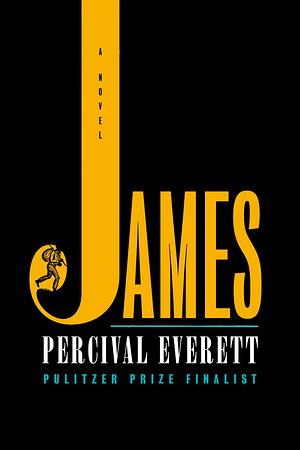 I didn't really get the hype, especially compared to the original, which, despite its flaws, is brimming with the earnestness of a child growing up and working out what morality means to him. This felt like a 2016 book (derogatory)—sort of YA, and beating you over the head with its clear message. I didn't think we needed so much book to explain the concept of code-switching (especially in 2024, when this was published). I get the idea of revisiting the portrayal of James, which was offensive and caricature-like in the original, but I guess I always thought that Jim/James had an inner world that would be lost when performing for white people, and also because he was being perceived through the mind of a child. There were some funny moments of irony, like James becoming a Blackface performer and being taught by a white man how to "be Black", but overall I found it rather forgettable. (NB: after I wrote this, I suddenly remembered the "Luke, I am your father" reveal and that was really stupid.)
★ Jamaica Kincaid
Among Flowers - Jamaica Kincaid
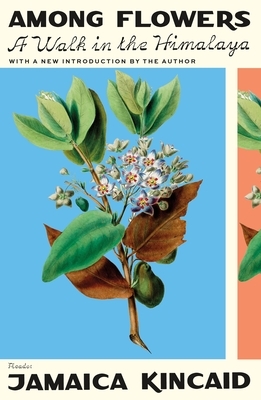 I've been interested in post-colonial literature and Caribbean literature for a few years now, and this is my fourth Jamaica Kincaid. In this book, she travels to Nepal with some botany friends to collect seeds for her garden in Vermont. I was expecting this to be a lighthearted nature read, which it is in part, but there's also lots of racist and privileged commentary about the locals. Quite early on she mentions that there are local porters/sherpas who are travelling along with them, and that their names are too long and difficult to remember, so they call them nicknames like Cook (the one who cooks their meals), Table (the one who carries their full dining set with table and chairs), and I Love You (overheard from a phone call that person was having). One of the people on the trip casually mentions that they will probably need to fire the porters at one point and hire new ones because their work ethic can't be relied on for the whole trip. At one point they camp inside a rural village schoolhouse overnight and they all romantically pledge to send them donations of books after they get home, which they don't end up doing (why did she spend time putting this in the book). One day they spontaneously decide to stop and camp early, but the porters had already walked too far ahead7 They walk ahead because the tourists expect to walk onto the campsite at dinnertime and have everything be ready. and refused to come back (good for them) and "a bitter, sour mood settled over us".
This was such a jarring and confusing experience to read because Jamaica Kincaid is a Black woman from Antigua, who is known for her writing about colonialism. Her writing lights up when she talks about plants and nature, and occasionally she will mention something about the power and privilege imbalance between the tourists and locals, and express wonder like "I can't believe we're actually here in the Himalayas," but seemingly her empathy or warmth doesn't extend to the locals on a human level. The writing even casts a dark cloud over the premise of the trip—travelling to one of the most remote areas on Earth, which already has a problem with badly behaved tourists and their pollution, for the purpose of extracting resources (collecting rare seeds) for personal gain and exploiting the locals. I get that this is written like a diary/travelogue of her unfiltered thoughts, but it was surprising and distasteful to find out what an unpleasant person she is.
A Small Place - Jamaica Kincaid
 This is an extended essay about post-colonial Antigua and its struggles with inequality and corruption. I read this like a companion to Among Flowers. I am now conflicted about Kincaid because her writing is great! Her descriptions about the unreal beauty and perfection of Antigua, contrasted with angry commentary about colonialism and tourism are powerful and evocative. (Ironic to contrast her writing about "the ugly tourist" in Antigua with her own trip to the Himalayas, decades later.) This book also has her iconic quote about how you can't truly express the pain of colonialism using the language of the colonizer:
For isn’t it odd that the only language I have in which to speak of this crime is the language of the criminal who committed the crime? And what can that really mean? For the language of the criminal can contain only the goodness of the criminal’s deed. The language of the criminal can explain and express the deed only from the criminal’s point of view. It cannot contain the horror of the deed, the injustice of the deed, the agony, the humiliation inflicted on me.
★ Non-fiction
Cobalt Red - Siddharth Kara
 This book opened my eyes to the horrors of cobalt mining, which affects every single aspect of the tech industry. It took me almost two years to read this book due to its (entirely fair and justified) dreary tone and content and its repetitiveness. The human cost of our plentiful and wasteful electronics is indescribably horrible, and it feels like trying to have a conversation about any of this results in a kind of yeah, yeah reaction: people know, agree it's horrible (at least intellectually?), but nothing changes and everything goes on as usual, and aren't you being so annoying with your virtue signalling? I really can't look at the pointlessness and wastefulness of so much of consumer tech in the same way (is this new stupid entertainment gadget that will be forgotten in two years really worth multiple human lives?) I think the repetitiveness was effective in emphasizing how widespread and commonplace all the exploitation was—it does feel like "oh, I'm reading another chapter about a tunnel collapsing and people dying or getting injured," but it made me think about Kaveh Akbar writing about what the meaning of life is under horrific circumstances.
One thing that really stuck with me was that the death toll of many of these mines is unknown due to the secrecy of the industry, especially the "artisanal mines" (god, what a horrible euphemism) where people just independently dig in open pits with their bare hands and no protective equipment or safety measures (their tunnels do regularly collapse) and sell their rocks to merchants at the end of the day who transport them to bigger depots, the cobalt travelling up the chain until it reaches companies like Apple. Every single tech company has PR statements about how they do not violate any safety or labour policies but since all of the cobalt supply is intermixed due to the buyers of artisanally mined cobalt, literally no one is spared from this.
★ Odds and ends
Martyr! - Kaveh Akbar
 I thought this was definitely flawed and sometimes falls into the clichés that I feel like are hallmarks of modern contemporary writing, but it gave me enough to think about while reading and the unflinching earnestness of Cyrus let me look past some of the more cringeworthy prose.7 The opening sentence starts with "Maybe it was that Cyrus had done the wrong drugs in the right order, or the right drugs in the wrong order", which sent a shudder down my spine and made me worry that I was actually reading a cheesy American sitcom. I got the feeling that the author was working out various things (morality, inequality, relative privilege, imperialism, etc.) while writing. Cyrus spends a lot of time thinking about existential problems like what the purpose of life/death is, his cultural identity, and what his relative privilege means (what is the meaning of life of a Syrian child who is bombed at the age of ten?) and I think and worry about these things all the time.
How the Garcia Girls Lost Their Accents - Julia Alvarez
 This is an older book (1991) and the social commentary maybe doesn't feel that novel or interesting to a contemporary reader. The story is about four sisters who move from the Dominican Republic to the US because their dad was involved in a plot to overthrow Trujillo and discusses themes of colonialism, class, and race. The family is high-status and upper class with multiple servants, and the dad constantly and proudly brings up how the family is descended from conquistadores, and that their combined last names are immediately recognizable to everyone in the DR, and he is deflated by their loss of status in the US. I would have liked to learn more about the race dynamics in the DR—for example, they have a maid who is described as "blue-black Haitian" and does "voodoo" and is later humiliated and fired for theft because one of the sisters gave her one of her old toys, and the neighbour is a brash white American who represents the ugly and exploitative colonialization in the Caribbean.
Anathem - Neal Stephenson
 I read this for a sci-fi book club and it was... an experience. I'm glad to have read it, and I can't say I didn't enjoy this book, but I'm not sure how to balance the amount of enjoyment I got out of it for the amount of book this is. I think Neal Stephenson probably isn't for me. I found the pacing really jarring—the narrator, Erasmus, spends hundreds of pages describing the architecture of the math monastery, their clothes, their daily routines of winding the clock, and painstakingly describing how every single scene is laid out (with made-up vocabulary too!), but then he'll just offhandedly something like their food having birth control engineered into it (WHAT) and move on immediately with no further thoughts. I sort of get what (I think) the author is trying to achieve by describing things from first principles instead of using words that have preconceived cultural values and biases from our world, but sometimes it feels like Erasmus accidentally slips into Neal Stephenson's voice in our real world when he makes references to things like "celebrities at an award show" or "[Cord] could talk about alloys the way some girls talked about shoes" (how would Erasmus even have these stereotypes in his mind if he largely grew up in a math monastery). The last third of the book also unexpectedly turned into a space opera with aliens and space/dimension-travel.
The math stuff was alright to me and not too complicated, but I think I'm unfortunately in the camp of "math/philosophy is all arbitrary and made up" so I'm not the right audience to appreciate it. The calca sections were easy to follow but felt like I was playing a Cluefinders educational game where the characters suddenly stop what they're doing and work out a math problem,8 In this one, they literally are in the middle of washing dishes when they notice a bottle on the square-tiled floor...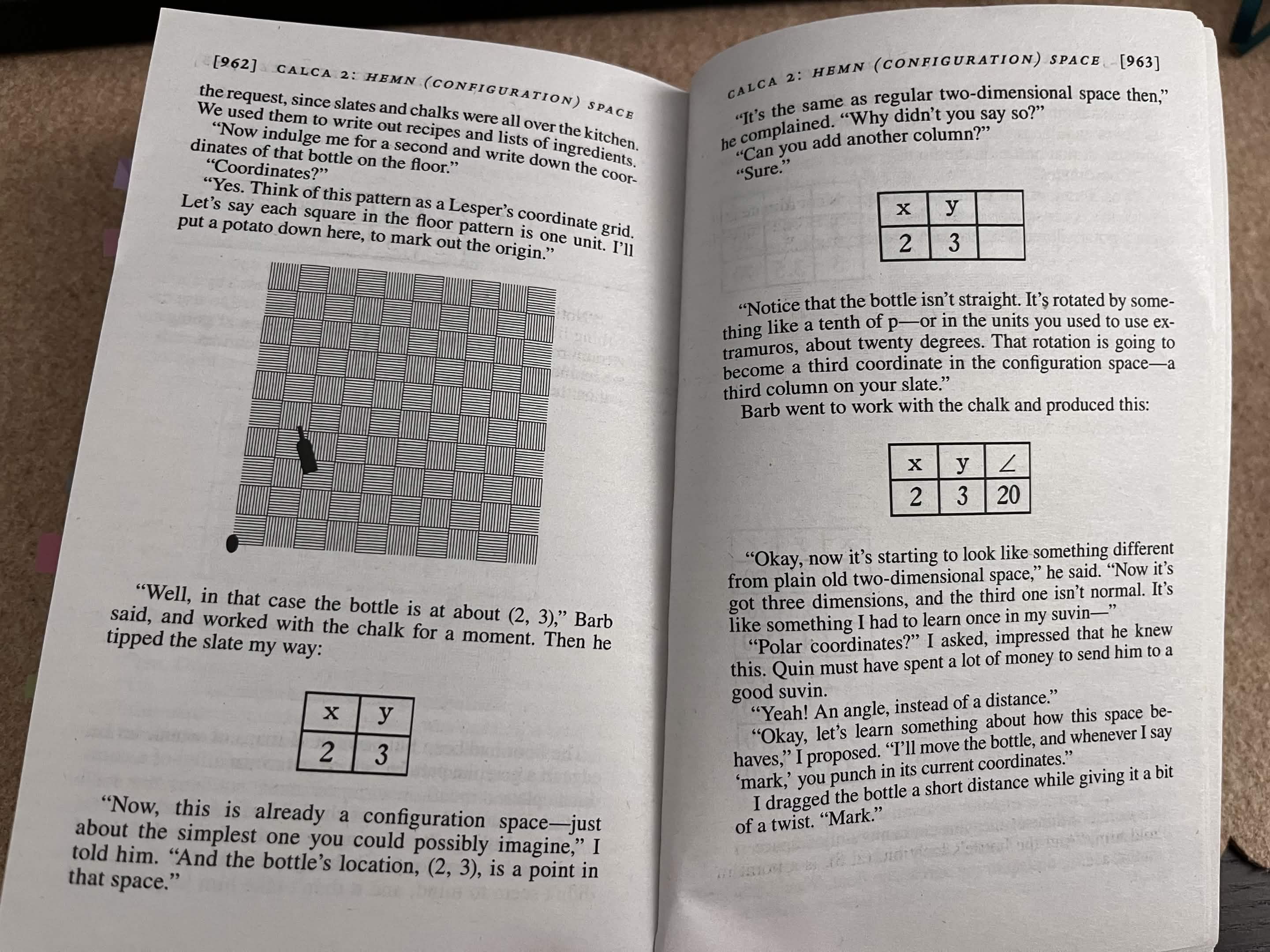 which is written out like a textbook excerpt but with the other character in the scene periodically chiming in with filler like "with you so far" and "I think I understand what you're getting at," and I'm just not convinced that Socratic dialogue works with an asynchronous reader like that (imagine your math textbooks reassuring you that you, the reader, are following the proof so far...)
What You Are Looking For is in the Library - Michiko Aoyama
 I had the displeasure of reading this for a library book club, and then the horror of finding out that most of the other people enjoyed the book and found it sincerely moving... I feel like Japanese light fiction is currently trending? with books like Before the Coffee Gets Cold, We'll Prescribe You a Cat, and this one. I wonder if this is like the Victorian domestic fiction genre? I enjoyed reading Banana Yoshimoto back in the day but these feel more bland, and also insidious in their passive acceptance of the status quo.9 My partner said this reminds them of the "cozy gaming" genre, and my Korean friend said these books are popular in Korea, along with self-help books, and the genre is called "healing", which is pretty grim... This book exemplified aspects of toxic Asian culture and capitalism, to the point where it felt like reading corporate propaganda. In addition, the writing was strange—some of the characters felt clueless to point where they came across like they were learning to exist as a human for the first time, and each character dutifully described to us what a library is and how there are lots of shelves about various subjects and a librarian in there...
The librarian character was also described in a strange way—every single character reacts to the librarian by recoiling in shock and fear at how "large and pale" she is. The first time she appeared, I genuinely thought that this was magical realism and that she was a polar bear or something. Someone in the book club said that they thought the portrayal of the librarian was intentional to show that you shouldn't "judge a book by its cover", but I didn't think it needed to be spelled out that being "large and pale" had no bearing on one's communication skills or competence as a librarian...